
Most advice for business sellers warns about overspending the windfall. The quieter problem is the opposite. Many owners ask how do I avoid lifestyle deflation after selling my business only after they have already started shrinking their lives out of fear, second-guessing every purchase, sitting on cash, and quietly downgrading the very lifestyle the sale was meant to fund. This guide lays out a framework to turn a one-time liquidity event into durable, spendable income, backed by the tax and investment structure to support it.
The sale was supposed to give you options. Deflation takes them away. The fix is not more discipline, it is a plan you can actually trust to tell you what is safe to spend.
What Lifestyle Deflation After a Business Sale Actually Is
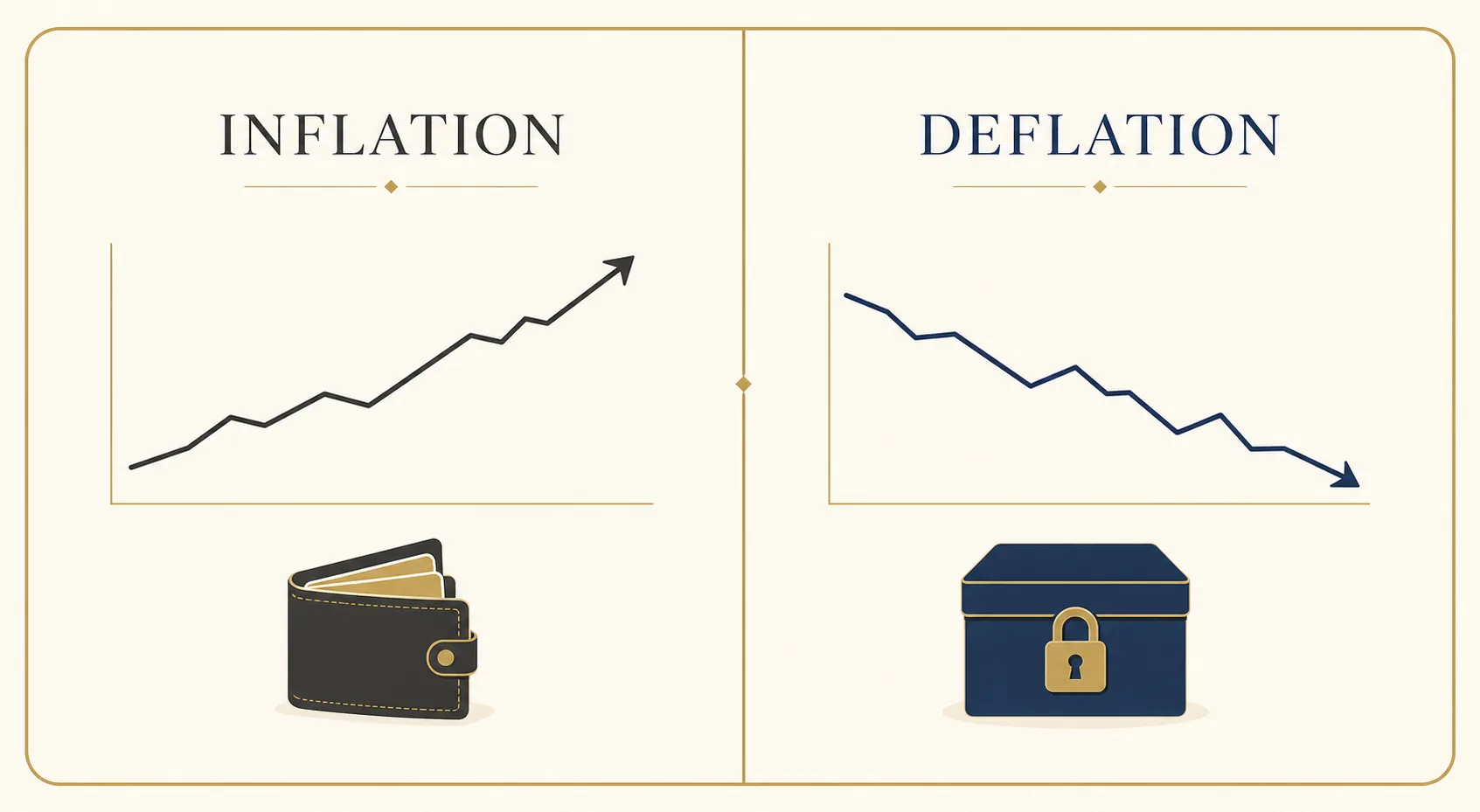
Lifestyle deflation is the fear-driven habit of spending well below what your resources can sustain, leaving you cash-rich but living smaller than your plan allows. After a business sale, it shows up as reflexive frugality: delaying travel, avoiding a home upgrade, or treating a multimillion-dollar liquidity event like a fragile balance that can never be touched.
It is the mirror image of lifestyle inflation, also called lifestyle creep, the tendency to raise spending every time income rises until nothing is left over. Both come from the same root cause: spending driven by emotion instead of tied to a real financial plan.
| Failure mode | What it looks like | Root cause |
|---|---|---|
| Lifestyle inflation / creep | Spending rises to match every gain; savings never grow | No plan anchoring spending to goals |
| Lifestyle deflation | Hoarding cash, under-spending, delayed decisions | No plan telling you what is safe to spend |
Business owners are especially prone to deflation. The steady owner distributions disappear, the identity tied to the company fades, and a single number now has to “last forever.” That pressure pushes many sellers to freeze. Investor-education resources like FINRA’s insights for investors make the same point about sudden money: the biggest early risk is reacting emotionally rather than pausing to build structure around it.
Why Selling a Business Triggers It, The Income Cliff
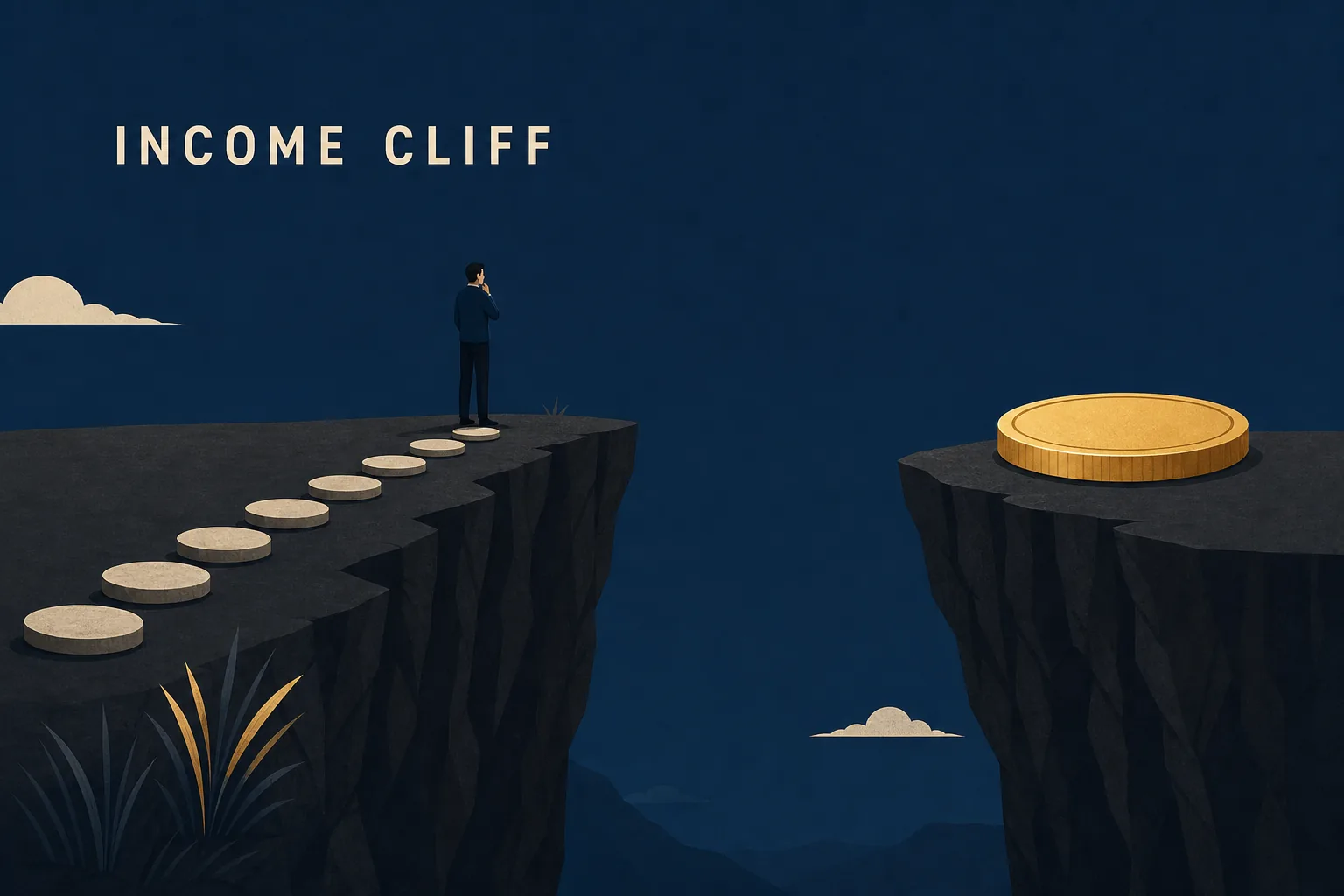
For years, the business paid you. Distributions arrived on a rhythm you understood, and you spent against a predictable stream. The sale replaces that rhythm with a lump sum and no paycheck, an income cliff. The money is larger than ever, yet it feels riskier to touch because nothing is refilling it.
There is also the “why” question the moment raises. When the company was your role, your schedule, and your status, the sale can leave a gap that spending decisions get tangled up in. That is real, but it is worth separating from the numbers. The purpose question is about identity; the spending question is about math and structure.
Uncertainty itself drives under-spending. When people cannot see how their resources map to their future needs, they default to caution and postpone enjoyment indefinitely. The Consumer Financial Protection Bureau’s work on the four elements of financial well-being frames security and freedom of choice as core to feeling financially healthy, exactly what a clear post-sale plan is meant to restore.
Build a Post-Sale Spending Plan You Can Actually Trust
The antidote to deflation is not willpower. It is a plan precise enough that you can spend without recalculating the risk every time. When you trust the plan, you stop treating every purchase as a threat to your future.
The fix is not more discipline, it is a plan you can actually trust to tell you what is safe to spend.
Set a Sustainable Withdrawal Baseline to Avoid Lifestyle Deflation
Start by converting the lump sum into a reliable annual number, a paycheck replacement. This baseline reflects how much you can draw each year with a high probability the money outlasts you, accounting for taxes, inflation, and how long the money needs to work.
One technical risk deserves plain language: sequence-of-returns risk. Withdrawing from a portfolio during an early downturn does more lasting damage than the same downturn later, because you are selling assets while they are down. A good plan manages this with near-term reserves so you are never forced to sell into a bad market, which is what lets you keep spending confidently through volatility.
| Old source (pre-sale) | New source (post-sale) | Planning consideration |
|---|---|---|
| Owner distributions | Portfolio withdrawals | Set a sustainable annual draw; stress-test it |
| Business covering some personal costs | Personal cash flow only | Rebuild a household budget from scratch |
| Salary / W-2 income | Investment income + reserves | Bridge the gap before Social Security or Medicare |
| Business as your “safety net” | Cash reserve buckets | Hold near-term spending in low-volatility assets |
How Far in Advance Should I Start Planning to Sell My Business?
Ideally, three to five years before you expect to close. Deflation risk, and tax drag, drop sharply when your spending plan, tax structure, and investment strategy are designed before the sale, not scrambled together after the wire hits.
Early planning lets you shape the deal itself: how you are paid, how the proceeds are taxed, and how quickly the money can start generating income. It also gives succession and exit-readiness work time to mature, so the transition of the business and the transition of your finances move together instead of colliding. Waiting until the letter of intent is signed forecloses many of the most valuable options.
The 3-6-9 Rule and Simple Frameworks for Structuring the Proceeds
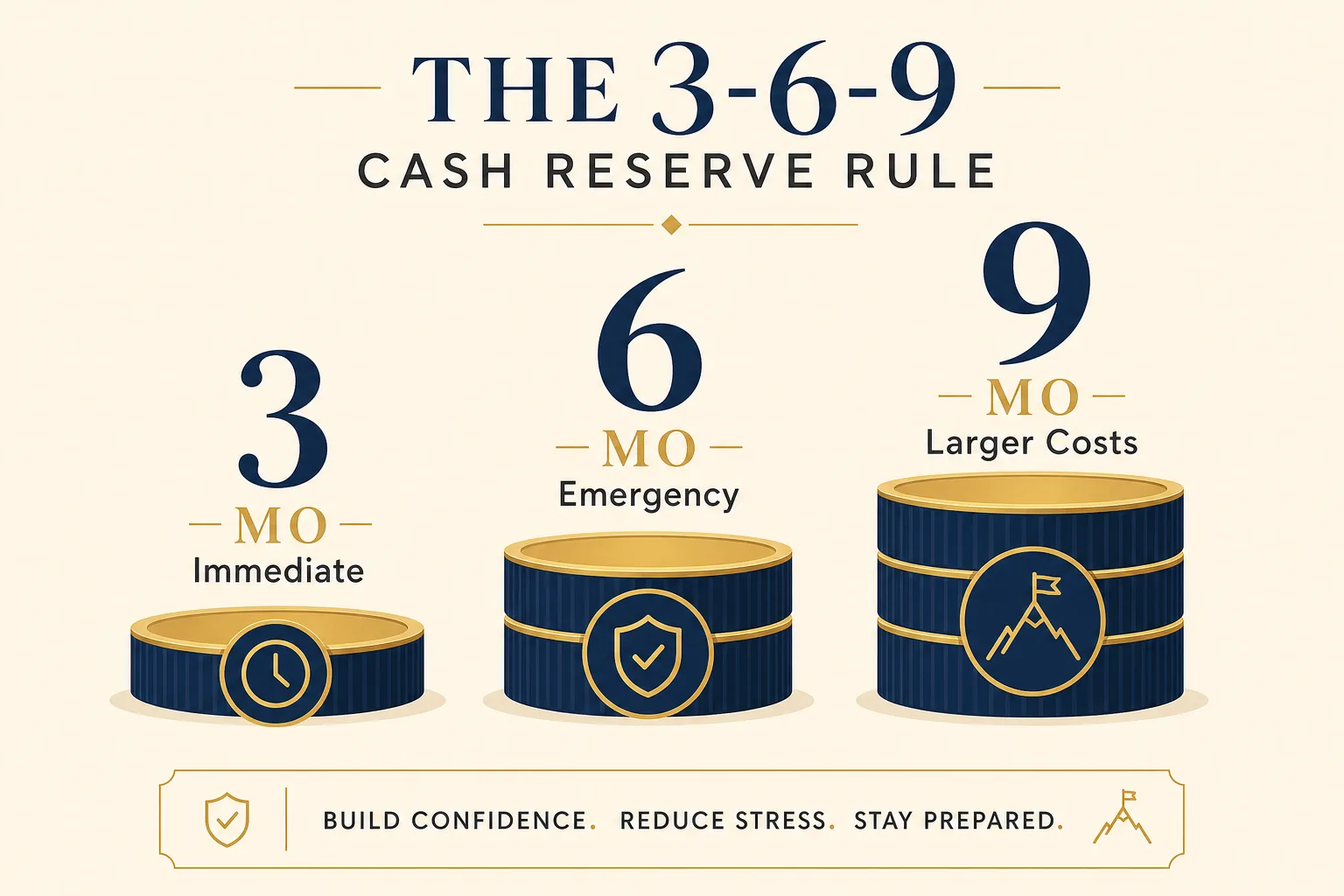
The 3-6-9 rule is a cash-reserve heuristic: keep roughly three months of expenses for immediate needs, six months as a deeper emergency cushion, and nine months set aside for larger or less predictable costs. It is a useful discipline for building liquidity in tiers so you are never caught short.
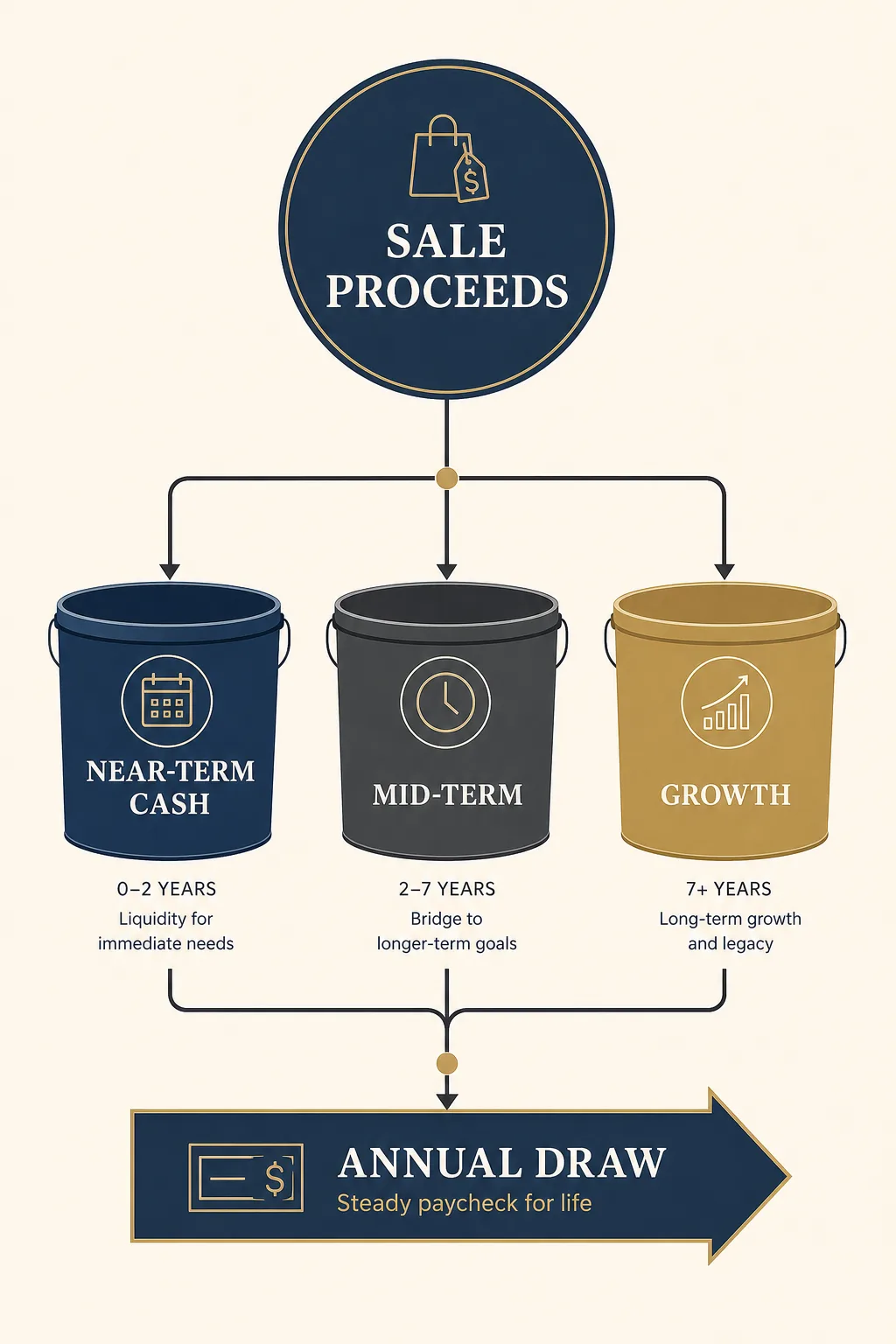
For a modest cash buffer, rules like this work fine. For a multimillion-dollar sale, a simple months-of-expenses rule stops being enough, it says nothing about taxes, income durability, or growth over a 30-year horizon. That is where a real plan takes over, usually built around three buckets.
| Bucket | Time horizon | Purpose | Typical vehicles |
|---|---|---|---|
| Near-term cash | 0–2 years | Spending, reserves, protection from forced selling | High-yield savings, money market, short T-bills |
| Mid-term income | 3–7 years | Steady, lower-volatility income | Bonds, income strategies, conservative allocations |
| Long-term growth | 8+ years | Outpace inflation, fund later decades and legacy | Diversified equities, select alternatives |
Bucketing is the direct counter to both failure modes. The near-term bucket removes the fear that fuels deflation, you can see the money you are allowed to spend, while the long-term bucket keeps you from overspending the whole windfall today.
Keep More of What You Sold, Tax Strategy That Protects Lifestyle
Every dollar lost to avoidable tax is a dollar removed from your future spending. Comprehensive tax planning is where much of the real lifestyle protection happens, and it is where many sellers leave the most on the table.
A few legitimate strategies to reduce or defer, never illegally avoid, the tax on a sale:
- Installment sales, which spread the gain (and the tax) across multiple years instead of one. The IRS guidance on installment sales explains how reporting gain over time can work.
- Qualified Small Business Stock (QSBS) under Section 1202, which may exclude a portion of gain if strict eligibility rules are met.
- Charitable vehicles such as donor-advised funds or charitable trusts, which can offset gain while advancing legacy goals.
- Timing and state-of-residence planning, since the year you sell and where you live can meaningfully change the bill.
- Qualified Opportunity Zones, which may defer certain gains when proceeds are reinvested under the rules.
The underlying IRS rules on capital gains determine what applies to your situation, and none of these produce a guaranteed outcome. Each depends on how the deal is structured and must be coordinated with your CPA and advisor. This is also where alternative and private placement investments can play a role, as tax-aware, income-oriented tools that many firms neither understand nor use. Treated as one instrument among several in a broader plan, not a product to chase, they can support both income and efficiency.
Invest the Proceeds to Fund the Lifestyle, Not Just Grow the Number
Building a business trained you to grow a number. Living off proceeds requires a different mindset, distribution, not accumulation. The portfolio’s job is now to produce durable, inflation-aware income so you can spend without watching the balance with dread.
That means diversification across assets that behave differently, so a downturn in one area does not force you to sell everything. The SEC’s Investor.gov resources describe why spreading risk across asset classes helps portfolios weather volatility, a principle that matters far more once the portfolio is your paycheck.
Two specifics deserve attention. First, the “gap years” before age 65, when you may need to fund your own health coverage before Medicare and bridge income before Social Security. Second, ongoing management. A one-time plan drifts as markets, tax law, and your life change. This is where advisory, discretionary management earns its keep, continuously monitoring the plan, rebalancing, and adjusting withdrawals, so the strategy that let you retire keeps supporting your lifestyle for decades, not just the first year.
A Realistic Post-Sale Timeline, First 90 Days to Year Three
Deflation thrives in the vacuum right after a sale. A timeline gives structure, and permission, to act deliberately instead of freezing.
- First 90 days: Park the proceeds somewhere safe and liquid. Do not make large, irreversible moves, no big purchases, no rushed investments, no new venture. Let the emotion settle.
- Months 1–12: Build the full plan. Define your sustainable spending number, set the buckets, execute tax strategy, and put the near-term cash reserve in place so you know exactly what is safe to spend.
- Years 1–3: Implement and live it. Begin spending against the plan on purpose, revisit it as markets and life shift, and adjust the withdrawal and allocation as needed.
The point of the timeline is not to slow you down forever. It is to replace the deflation reflex with a schedule that tells you when, and how much, it is safe to enjoy what you built.
Choosing a Wealth Partner for Life After the Sale
The right advisor for a post-exit windfall looks different from a general planner. Prioritize fiduciary alignment, genuinely comprehensive planning that connects tax, estate, and investment decisions, and real experience with business owners and high-net-worth liquidity events. Access to alternative and private placement options matters too, since those tools are underused elsewhere.
This is the work Weston Banks Wealth Partners is built around: planning that coordinates tax strategy, investment management, and estate and succession decisions so a windfall serves family goals for the long term. For business owners and high-net-worth families navigating a liquidity event, the aim is simple, a plan you can trust enough to spend confidently against, structured so you can maintain your lifestyle from the day you sell through the rest of your life.
Frequently asked questions
How do I avoid lifestyle deflation after selling my business?
How much is a business worth with $100,000 in sales?
How far in advance should I start planning to sell my business?
What is the 3-6-9 rule for money?
Can I avoid capital gains tax when selling my business?
Key Takeaway
Selling your business is a beginning, not an ending. The goal was never to spend as little as possible and guard the number, it was to fund the life you worked toward. That takes a plan built for tax efficiency, durable income, and legacy, and steady enough that you can spend against it with confidence. If you are sitting on proceeds and unsure what is safe to spend, that plan is exactly the conversation worth starting.